Japandi – Scandinavian-Japanese Fusion Minimalism
Overview
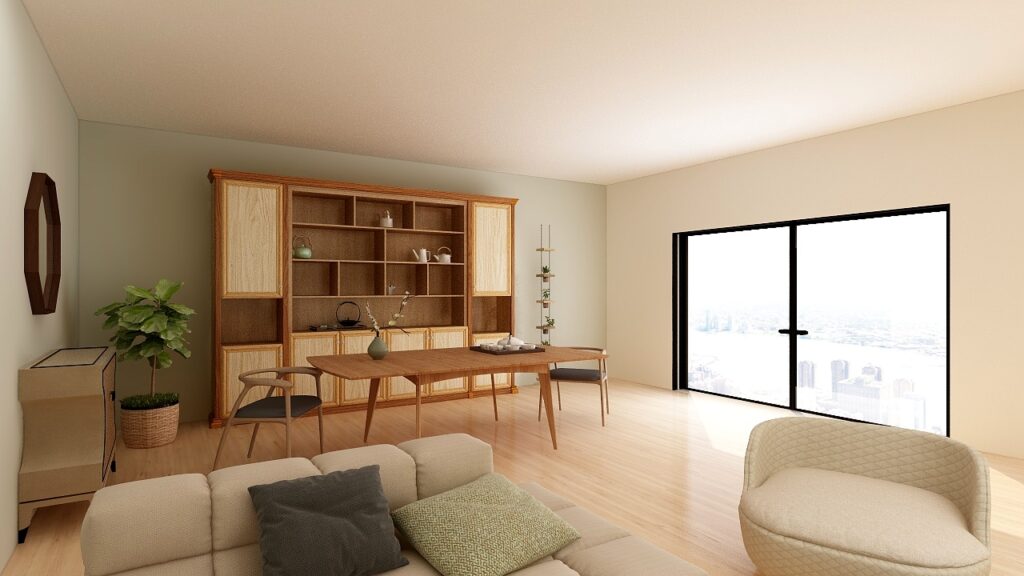
Japandi blends the simplicity and warmth of Scandinavian design with the serenity and philosophy of Japanese minimalism. It celebrates craftsmanship, calm, and functionality through a shared love of nature and restraint. The style balances clean lines with organic textures, creating spaces that feel both modern and deeply human.
Key Characteristics
Origin: Japan + Scandinavia, 2010 → Present
Space Logic: Structured (open, flowing layouts)
Form Logic: Symmetrical (with natural asymmetry in detailing)
Ornamentation: Clean and understated
Surface Treatment: Solid, natural finishes with tactile texture
Color Palette: Warm neutrals, beige, taupe, pale wood, stone gray
Materials: Light wood, linen, paper, stone, clay, bamboo
Atmosphere: Calm, natural, and harmonious
GDR Classification
Archetype Code: ET
Sub-Archetype: Japandi Fusion
PAD Class: Fusion
Core Traits: Structured | Symmetrical | Clean | Solid
Style Family: Fusion & Global
Period: 2010 → Present
Region: Japan + Northern Europe → Global
Iconic Examples
Norm Architects – Japanese-inspired Scandinavian interiors
Tadao Ando’s minimalist spaces influencing Western designers
Kinfolk-style homes emphasizing “slow living”
Typological Patterns
Low, simple furniture with exposed grain
Neutral palettes accented with natural greenery
Balanced negative space (ma) and hygge comfort
Soft natural light and uncluttered compositions
Quiz Mapping
This style matches users who:
Seek serenity through simplicity and nature
Appreciate craftsmanship and sustainable materials
Prefer warm, minimalist environments over stark modernism
Related Styles
Japanese Minimalism (PM)
Scandinavian Minimalism (PM)
Wabi-Sabi (ET)
Contemporary Modern (ME)
External Resources
Gallery
Visual Gallery (Coming Soon)
(Moodboard, plans, elevations)
Leave a Reply